A Detailer’s Guide to Marine Paint Preservation
A Detailer’s Guide to Marine Paint Preservation
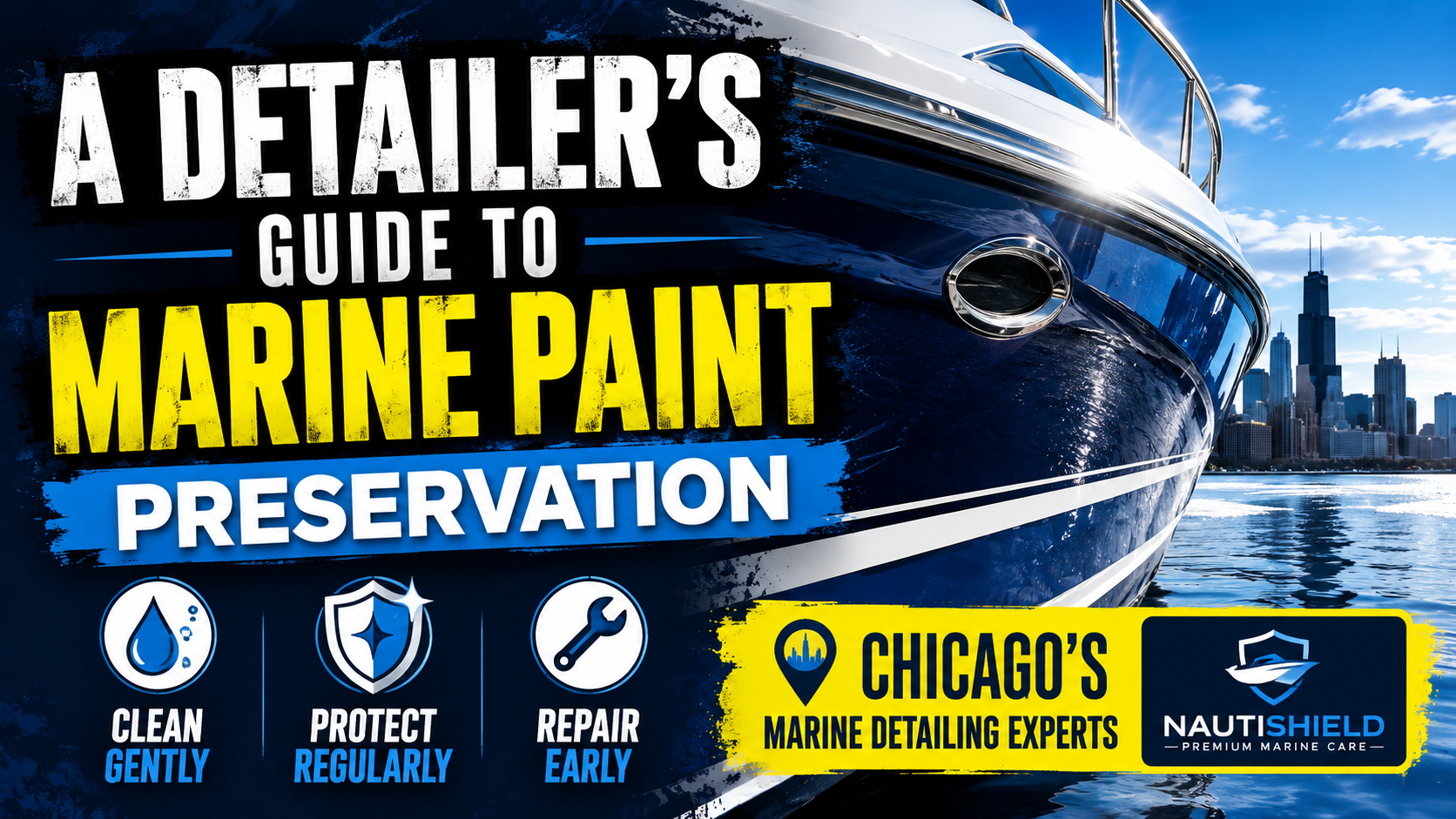
A Detailer's Guide to Marine Paint Preservation
Why Marine Paint Preservation Matters More Than Most Boat Owners Realize
A boat's paint does far more than create a beautiful finish. It serves as the first line of defense against a relentless mix of environmental threats that attack the surface every day. From intense ultraviolet rays and salt deposits to water exposure, airborne pollutants, bird droppings, and organic contaminants, marine paint is constantly working to protect the vessel beneath it.
The reality is that no paint system lasts forever. Every outing, every season, and every year on the water gradually takes a toll on the finish. Marine paint preservation is not about preventing wear altogether. Instead, it is about slowing the aging process, reducing unnecessary damage, and extending the life of the finish for as long as possible.
Professional marine detailers understand that successful paint preservation comes down to three simple principles.
Clean gently.
Protect regularly.
Repair damage early.
When these habits become part of a boat's maintenance routine, owners can significantly reduce oxidation, staining, fading, and premature paint failure. At NautiShield in Chicago, these core principles form the foundation of every marine detailing and paint preservation program, helping boat owners keep their vessels looking their best throughout the boating season and beyond.
What Is Marine Paint Preservation?
Understanding the Difference Between Maintenance and Restoration
Marine paint preservation is the ongoing process of cleaning, protecting, inspecting, and maintaining painted surfaces to slow deterioration and preserve their appearance. Rather than waiting for visible damage to occur, preservation focuses on preventing minor issues from becoming major problems.
The primary goals of marine paint preservation include maintaining gloss and color depth, preventing oxidation, reducing staining, extending the time between repainting projects, and protecting the vessel's overall value.
Many boat owners mistakenly assume that paint maintenance is only necessary once the finish begins to fade. In reality, preserving paint before damage occurs is far more effective and far less expensive than correcting neglected surfaces later. A consistent maintenance routine can often add years to the life of a marine finish while reducing the need for costly restoration work.
The Environmental Challenges Facing Marine Paint
Marine environments are among the harshest conditions any painted surface will encounter. Whether a boat spends its time on Lake Michigan or travels through coastal waters, the paint is continuously exposed to elements that accelerate wear.
Ultraviolet radiation from the sun gradually breaks down paint and protective coatings, leading to fading and oxidation. Salt deposits and mineral buildup can cling to the surface and create long term staining if not removed promptly. Freshwater contaminants, hard water spotting, airborne pollution, and organic debris all contribute to surface degradation over time.
Bird droppings present another challenge because they contain acidic compounds that can damage paint if left untreated. In addition, marine growth and biological contaminants can create stubborn buildup that becomes increasingly difficult to remove as it accumulates.
Because these threats never stop, preservation is not a one time service. It is an ongoing process that helps marine paint withstand the conditions it faces every day.
Step 1: Establish a Proper Washing Routine
Why Frequent Washing Is the Foundation of Paint Preservation
If there is one habit that has the greatest impact on paint longevity, it is regular washing. Contaminants become more damaging the longer they remain on painted surfaces. Salt, grime, dirt, and organic debris can slowly break down protective layers and increase the likelihood of staining, oxidation, and premature wear.
Routine washing removes these contaminants before they have an opportunity to cause lasting damage. It also allows boat owners to keep a closer eye on the condition of the finish and identify potential problems before they worsen.
Simply put, clean paint lasts longer than neglected paint.
Use pH Neutral Marine Soaps Only
Not all cleaning products are created for marine finishes. Household detergents and dish soaps may seem convenient, but they can strip away waxes and protective coatings that are essential for preserving paint.
Many common cleaners contain aggressive ingredients designed to cut grease and residue. While effective in the kitchen, these products can accelerate paint deterioration when used regularly on a boat.
Dedicated marine wash products are specifically formulated to clean effectively while remaining gentle on paint, waxes, sealants, and protective coatings. A quality pH neutral marine soap helps remove contaminants without compromising the finish underneath.
Choose Soft Wash Media
The tools used during washing are just as important as the cleaning products themselves.
Recommended Tools
Microfiber wash mitts provide excellent cleaning performance while minimizing the risk of scratching. Soft sponges and marine safe wash cloths are also effective options for routine maintenance.
These materials help lift contaminants away from the paint surface rather than dragging them across it, reducing the chance of introducing swirl marks or surface defects.
What to Avoid
Abrasive pads, stiff brushes, and aggressive scrubbing methods should generally be avoided on painted surfaces. While they may remove stubborn dirt, they can also leave behind scratches and micro marring that gradually diminish the appearance of the finish.
When dealing with heavily soiled areas, patience and proper cleaning techniques are far safer than excessive force.
Drying Matters More Than You Think
Many boat owners focus heavily on washing while overlooking the importance of drying. Allowing water to evaporate naturally can leave behind mineral deposits and water spots that make painted surfaces appear dull and neglected.
This issue becomes even more noticeable in regions where hard water is common. Minerals left behind after evaporation can slowly build up and reduce the visual clarity of the finish.
Using clean microfiber drying towels or dedicated marine drying cloths helps remove water before spotting occurs and leaves the paint looking cleaner and glossier.
A Detailer's Recommended Boat Washing Schedule
Consistency is the secret to successful paint preservation.
After every outing, the boat should be thoroughly rinsed to remove salt, contaminants, and debris before they can settle on the surface.
During the boating season, a weekly or bi weekly wash schedule helps keep contaminants under control while maintaining the appearance of the finish.
Boats that see heavy use, extended exposure to the elements, or prolonged dock storage may require more frequent cleaning to maintain optimal protection and appearance.
Step 2: Protect the Paint with Wax or Sealant
Why Every Boat Needs a Sacrificial Protection Layer
Even the most carefully maintained paint requires an additional layer of defense. Waxes and sealants act as sacrificial barriers that absorb environmental abuse before it reaches the paint itself.
These protective products help shield the surface from ultraviolet exposure, contaminants, oxidation, and staining while making routine cleaning easier. Dirt and grime are less likely to bond to a protected surface, allowing maintenance washes to be more effective.
Protection also plays a major role in preserving gloss and color depth, helping the finish retain the rich appearance that boat owners value.
Marine Wax vs Paint Sealant
Marine Wax
Marine wax has long been a trusted solution for protecting painted surfaces. It enhances shine, improves water behavior, and creates a protective barrier against environmental exposure.
Many boat owners appreciate wax for the warm, rich appearance it gives to painted surfaces.
Paint Sealants
Paint sealants offer longer lasting protection and are engineered to withstand harsh environmental conditions. They typically provide greater durability than traditional waxes and maintain their protective properties for extended periods.
For boats that spend significant time outdoors, sealants can offer a valuable advantage in long term paint preservation.
How Often Should You Protect Marine Paint?
For most vessels, applying a fresh layer of protection every three to four months provides a solid foundation for preserving the finish.
Some boats may require more frequent applications depending on their operating conditions. Intense sun exposure, extended dock storage, darker hull colors, and heavy usage can all increase the rate at which protective products wear away.
Regular inspections can help determine when additional protection is needed.
The Seasonal Protection Strategy Used by Professional Detailers
Professional marine detailers often follow a structured approach to paint preservation.
Routine washing keeps contaminants from accumulating throughout the season.
Quarterly protection treatments help maintain a strong barrier against environmental damage.
Annual paint evaluations allow detailers to assess the condition of the finish, identify developing issues, and recommend corrective action when necessary.
This proactive approach helps preserve appearance, extend paint life, and reduce long term maintenance costs.
Step 3: Inspect for Damage During Every Wash
Why Early Detection Saves Thousands in Repairs
One of the biggest advantages of routine washing is the opportunity to inspect the boat's paint on a regular basis. Small defects are much easier and less expensive to address when they are discovered early.
In marine environments, minor issues rarely remain minor for long. Moisture, sunlight, contaminants, and daily wear can quickly turn a small imperfection into a larger and more costly repair.
Regular inspections allow boat owners to stay ahead of potential problems before they impact the integrity of the finish.
What to Look For During Paint Inspections
Paint Chips
Even small paint chips can expose underlying materials to moisture and environmental contaminants. Left untreated, these defects may expand and create additional damage over time.
Surface Cracks
Paint cracks can develop from age, environmental stress, impact damage, or substrate movement. Identifying them early helps prevent more extensive deterioration.
Early Oxidation
Fading color, chalky residue, and reduced gloss are all warning signs that oxidation may be developing. Catching these symptoms early often makes correction significantly easier.
Corrosion Around Hardware
Areas surrounding fittings, fasteners, and hardware are common locations for paint deterioration. Moisture can become trapped around these components, increasing the risk of corrosion and coating failure.
Edge Wear and High Traffic Areas
Corners, edges, boarding locations, and frequently used walkways often experience accelerated wear. These areas deserve special attention during every inspection because they are among the first places where paint protection begins to break down.
Step 4: Address Paint Damage Before It Spreads
The Cost of Ignoring Minor Paint Defects
One of the most expensive mistakes boat owners make is assuming a small paint defect can wait until the end of the season. Marine environments are unforgiving, and even minor imperfections can grow into significant problems when exposed to water, sunlight, contaminants, and constant use.
A small paint chip may seem harmless at first glance, but once the protective surface has been compromised, moisture can begin working its way beneath the coating. Over time, that tiny defect can expand, allowing corrosion, oxidation, and additional paint failure to develop around the damaged area.
The longer paint damage remains untreated, the more difficult and expensive the repair typically becomes. What starts as a simple touch up can eventually require extensive correction or repainting if neglected for too long.
When a Touch Up Is Enough
Not every paint defect requires major repair work. In many cases, early intervention can stop damage before it spreads.
Surface level imperfections, minor chips, and light scratches can often be corrected through proper touch up procedures. Addressing these issues quickly helps restore protection to the affected area while preventing moisture and contaminants from reaching underlying materials.
Routine inspections make it easier to identify these small concerns before they become larger problems.
When Professional Repair Becomes Necessary
Some forms of paint damage extend beyond what a simple touch up can resolve.
Deep defects that penetrate multiple layers of coating often require more extensive repair methods. Widespread oxidation may indicate that protective layers have been depleted and that corrective restoration is necessary. Failing coatings, peeling paint, and significant adhesion issues typically require professional evaluation and repair.
Structural paint concerns can be even more complex. Damage associated with underlying substrates, corrosion, or impact related issues often demands specialized expertise to ensure the problem is properly addressed rather than temporarily concealed.
Why Professional Assessment Matters
Paint damage is not always as straightforward as it appears. Two defects may look similar on the surface while requiring entirely different repair strategies.
A professional assessment helps determine whether paint correction, localized touch up work, or complete repainting is the most practical and cost effective solution. Making the right decision early can save substantial time and money while preserving the overall condition of the vessel.
Special Considerations for Hull and Bottom Paint
Topside Paint vs Bottom Paint: Understanding the Difference
Not all marine paint systems are designed to perform the same function. Topside paint and bottom paint serve different purposes and face different environmental challenges.
Topside paint is primarily focused on appearance, gloss retention, ultraviolet protection, and resistance to environmental contaminants. These surfaces are visible above the waterline and typically receive the greatest attention during routine detailing.
Bottom paint serves a different role. It is specifically formulated to resist marine growth and provide protection below the waterline. Because of its unique purpose, it requires different maintenance procedures and preservation strategies.
Understanding these differences is essential for protecting both systems properly.
Best Practices for Bottom Painted Hulls
Bottom painted surfaces should always be maintained with care. Gentle cleaning methods help remove buildup while minimizing unnecessary wear to the coating.
Aggressive sanding and abrasive cleaning techniques should generally be avoided underwater whenever possible. Excessive removal of coating material can reduce effectiveness and may create unnecessary environmental concerns.
Boat owners should also remain mindful of local environmental regulations and best practices when maintaining bottom painted surfaces. Responsible maintenance helps protect both the vessel and the surrounding waterways.
Why Preservation Strategies Should Be Customized by Surface Type
Every painted surface on a boat has unique requirements.
Painted topsides benefit from routine washing, protection treatments, and regular inspections to preserve gloss and appearance.
Gelcoat surfaces require their own maintenance approach focused on preventing oxidation and maintaining clarity.
Antifouling coatings are designed to perform a completely different function and should be maintained according to manufacturer recommendations and operating conditions.
Treating every surface the same often leads to less effective results. A customized preservation strategy helps ensure each area receives the care it actually needs.
Common Marine Paint Preservation Mistakes Boat Owners Make
Using Household Cleaning Products
Many household cleaners contain ingredients that can strip protective layers and accelerate paint deterioration. Marine specific products are formulated to clean safely without compromising the finish.
Skipping Regular Washes
Contaminants become increasingly difficult to remove the longer they remain on the surface. Consistent washing is one of the simplest and most effective ways to preserve marine paint.
Allowing Salt Deposits to Sit
Salt residue can attract moisture and contribute to staining, oxidation, and coating degradation. Prompt rinsing helps prevent these issues from developing.
Waiting Too Long to Repair Chips
Small chips rarely stay small in marine environments. Addressing defects early helps prevent larger and more expensive repairs later.
Neglecting Ultraviolet Protection
Sun exposure is one of the leading causes of fading and oxidation. Without regular protection, even high quality paint systems can deteriorate prematurely.
Assuming Paint Correction Fixes Everything
Paint correction can improve appearance, but it is not a substitute for ongoing maintenance. Without proper preservation practices, defects will often return and continue to worsen over time.
Professional Marine Paint Preservation: Is It Worth It?
What Professional Detailers Do Differently
Professional marine detailers take a proactive approach to paint preservation rather than simply reacting to visible damage.
Comprehensive paint condition assessments help identify developing issues before they become major concerns. Proper decontamination techniques remove embedded contaminants that routine washing may leave behind. Professional grade protection products provide durable defense against environmental exposure, while scheduled maintenance plans ensure preservation remains consistent throughout the year.
The result is a finish that stays cleaner, glossier, and better protected for longer periods.
Benefits of Professional Maintenance Programs
Consistent professional care offers several advantages for boat owners.
Protected surfaces typically maintain their appearance longer and experience less oxidation over time. Regular maintenance also helps preserve resale value by keeping the vessel in excellent cosmetic condition.
Perhaps most importantly, preventative care often reduces long term ownership costs by minimizing the need for extensive restoration or repainting projects in the future.
Why Chicago Boat Owners Face Unique Challenges
Boating in the Chicago area presents several environmental factors that can influence paint longevity.
Seasonal storage cycles create periods of inactivity followed by intensive use during the warmer months. Freshwater mineral deposits can contribute to spotting and surface buildup. Strong summer sunlight increases ultraviolet exposure, while the relatively short boating season encourages owners to maximize time on the water.
Together, these conditions make consistent paint preservation especially important for local boat owners.
How NautiShield Helps Preserve Marine Paint Year Round
NautiShield specializes in helping Chicago area boat owners protect and maintain their vessels through every stage of the boating season.
Routine maintenance services help keep contaminants under control and preserve appearance between major details. Advanced paint protection treatments provide an additional layer of defense against environmental wear. Seasonal detailing programs are designed to address the unique challenges faced by boats operating in the Midwest.
Rather than applying a one size fits all approach, NautiShield develops customized preservation strategies based on the vessel, its operating conditions, and the owner's goals.
The Three Rules Every Boat Owner Should Follow
Clean Gently. Protect Regularly. Repair Damage Early.
Marine paint preservation does not have to be complicated. The most effective strategy comes down to three simple principles.
Clean gently to remove contaminants without creating unnecessary wear.
Protect regularly to maintain a barrier against sunlight, moisture, and environmental pollutants.
Repair damage early before small defects have the opportunity to become larger problems.
When these habits become part of a consistent maintenance routine, boat owners can significantly extend the life of their paint while reducing long term maintenance costs.
Preservation is always easier and more affordable than restoration. A little attention throughout the season can help prevent costly repairs and keep a vessel looking its best year after year.
Ready to Protect Your Boat's Finish?
Whether your goal is maintaining a newer vessel or preserving the appearance of a longtime favorite, proactive paint care is one of the smartest investments you can make.
NautiShield provides professional marine detailing, paint protection treatments, and customized maintenance programs designed specifically for Chicago area boat owners. Schedule a paint inspection or seasonal maintenance consultation to learn how a professional preservation strategy can help protect your boat's finish for years to come.
Share with your friends

The Marine Protection Experts
Founded with an unquenchable desire for marine perfection, Nautishield is a leader in protection efforts services in the Great Lakes area. When you protect your vessel with Nautishield, you are sure to experience unmatched integrity, customer service excellence, and above all, absolute marine perfection from the inside out. Choose the right marine preotection team - choose Nautishield!
Additional Service Areas
Chicago, IL Glenview, IL Winnetka, IL Lake Forest, IL Chain O' Lakes, IL Waukegan, IL Winthrop Harbor, IL
Lake Geneva, WI Lauderdale Lakes, WI Kenosha, WI Racine, WI
New Buffalo, MI Holland, MI Saugatuck, MI
Michigan City, IN
Naples, FL
NAUTISHIELD MARINE PROTECTION