How to Protect Your Boat During Transport and Storage
How to Protect Your Boat During Transport and Storage
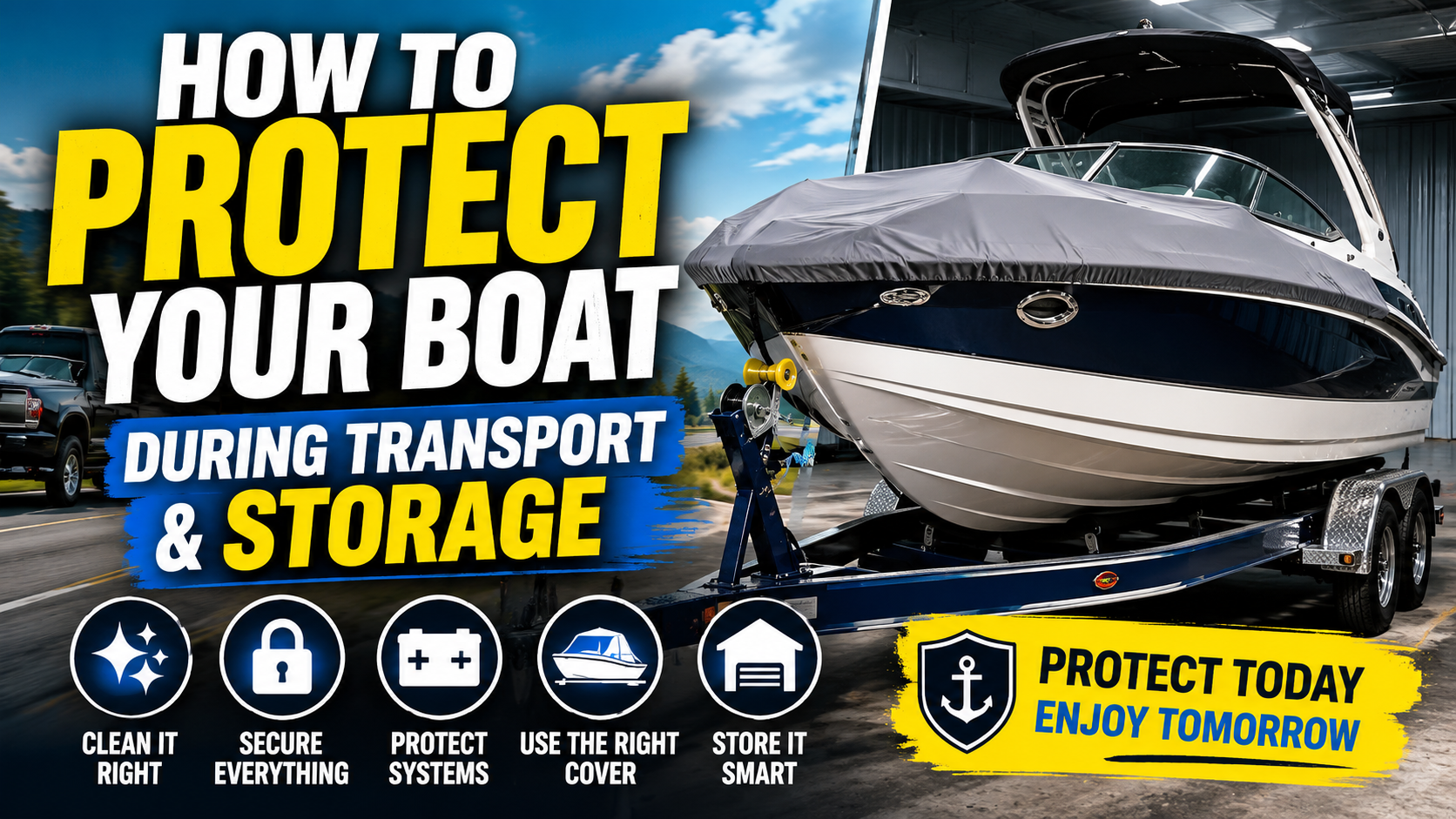
How to Protect Your Boat During Transport and Storage
Owning a boat is about freedom, adventure, and making the most of every moment on the water. Yet many boat owners focus heavily on maintenance during the boating season and overlook one of the most critical aspects of ownership: protecting the vessel during transport and storage. Whether your boat is being hauled across the state or tucked away for the winter, these periods can expose it to a surprising number of risks.
Transport and storage are often some of the most vulnerable stages in a boat's lifecycle. During transport, road debris, vibrations, shifting equipment, and exposure to the elements can leave lasting damage. During storage, moisture, ultraviolet exposure, corrosion, and mold can slowly deteriorate surfaces and systems without immediate signs of trouble.
Many owners underestimate the impact of scratches, oxidation, moisture intrusion, mold growth, corrosion, fading, and transport related damage. What starts as a minor cosmetic issue can quickly develop into expensive repairs that affect both the appearance and performance of the vessel.
The good news is that proper preparation goes a long way. Taking the time to clean, secure, and protect your boat before transport or storage can save thousands of dollars in repair costs while helping preserve its long term value. For owners who want maximum protection, professional detailing and preservation services can provide an additional layer of defense that keeps surfaces protected and the boat looking its best season after season.
Why Boat Protection Matters Before Transport and Storage
The Hidden Costs of Improper Preparation
Many boat owners assume that parking a boat under a cover or securing it to a trailer is enough. Unfortunately, overlooking a few key steps before transport or storage can lead to damage that is both frustrating and costly.
Cosmetic damage is often the first issue owners notice. Minor scratches, scuffs, and surface blemishes can occur during loading, unloading, transport, or long periods of storage. While these imperfections may seem small at first, they can diminish the overall appearance of the vessel and reduce its appeal to future buyers.
Corrosion and oxidation present another significant threat. Metal components, stainless steel fittings, and exposed surfaces can begin to deteriorate when moisture and contaminants are left untreated. Oxidation can dull the finish of the hull and compromise the appearance of gel coat and painted surfaces.
Mold and mildew growth are common concerns, especially when moisture becomes trapped inside enclosed areas. Upholstery, carpets, storage compartments, and other interior surfaces can quickly become breeding grounds for unwanted growth if the boat is not properly cleaned and dried beforehand.
Mechanical systems are also vulnerable. Moisture exposure can affect batteries, wiring, electronics, and engine components. Left unchecked, these issues may lead to performance problems, costly repairs, and unexpected downtime when boating season returns.
Perhaps most importantly, neglecting proper protection can reduce resale value. A well maintained boat commands more attention and higher offers than one showing visible signs of wear, corrosion, or neglect. Protecting your boat today helps preserve its value for years to come.
What Happens When Boats Are Left Unprotected
Boats that are not properly prepared for transport or storage face a variety of avoidable risks.
During transport, road debris can strike the hull, windshield, or exterior surfaces. Dust, dirt, and airborne contaminants may accumulate on exposed finishes, while vibrations from the road can loosen components or create unnecessary wear.
Storage presents its own challenges. Ultraviolet rays can gradually fade surfaces, weaken materials, and dull the appearance of painted or gel coat finishes. Even when a boat is not actively being used, sun exposure continues to take its toll.
Water intrusion is another major concern. Moisture that becomes trapped beneath covers or inside compartments can encourage mold growth, corrosion, and material degradation. Over time, this hidden damage can become expensive to correct.
Unprotected gel coat, paint, stainless steel, and other exterior surfaces are especially vulnerable to environmental exposure. Without proper care and protection, these materials can lose their shine, develop oxidation, and age prematurely.
Step 1: Thoroughly Clean and Dry Your Boat Before Moving It
Proper protection begins with a thorough cleaning. Removing contaminants before transport or storage helps prevent long term damage and ensures the boat is in the best possible condition before being covered or moved.
Remove Dirt, Salt, and Contaminants
The exterior should be washed carefully to remove dirt, grime, and environmental contaminants that accumulate during normal use. These materials may seem harmless, but they can contribute to staining, oxidation, and surface deterioration over time.
Hull cleaning is particularly important. Marine growth, waterline stains, and residue left behind after use can become more difficult to remove if allowed to sit for extended periods.
For boats used in saltwater environments, removing salt residue is essential. Salt deposits can accelerate corrosion and cause long term damage to metal components if not thoroughly cleaned away before storage or transport.
Deep Clean the Interior
The interior deserves the same level of attention.
Upholstery should be cleaned to remove dirt, moisture, and organic material that may encourage mold and mildew growth during storage.
Storage compartments should be emptied and cleaned thoroughly. Hidden moisture or forgotten items can create unpleasant odors and lead to unnecessary damage over time.
Flooring and carpets should be vacuumed, cleaned, and allowed to dry completely. Eliminating trapped moisture before storage is one of the most effective ways to prevent mold related issues.
Why Professional Boat Detailing Before Storage Makes a Difference
While routine cleaning is beneficial, professional boat detailing offers a more comprehensive level of protection.
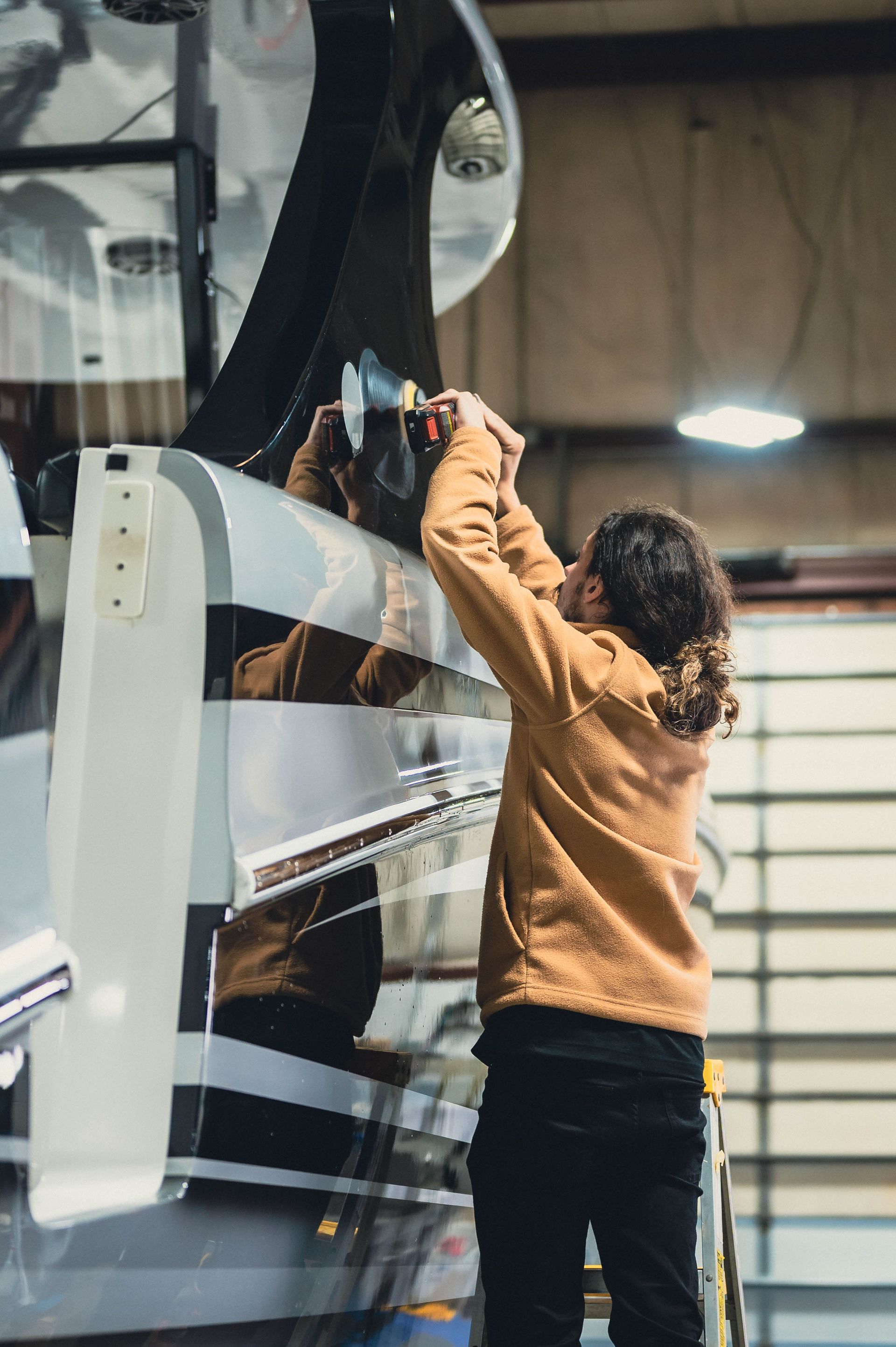
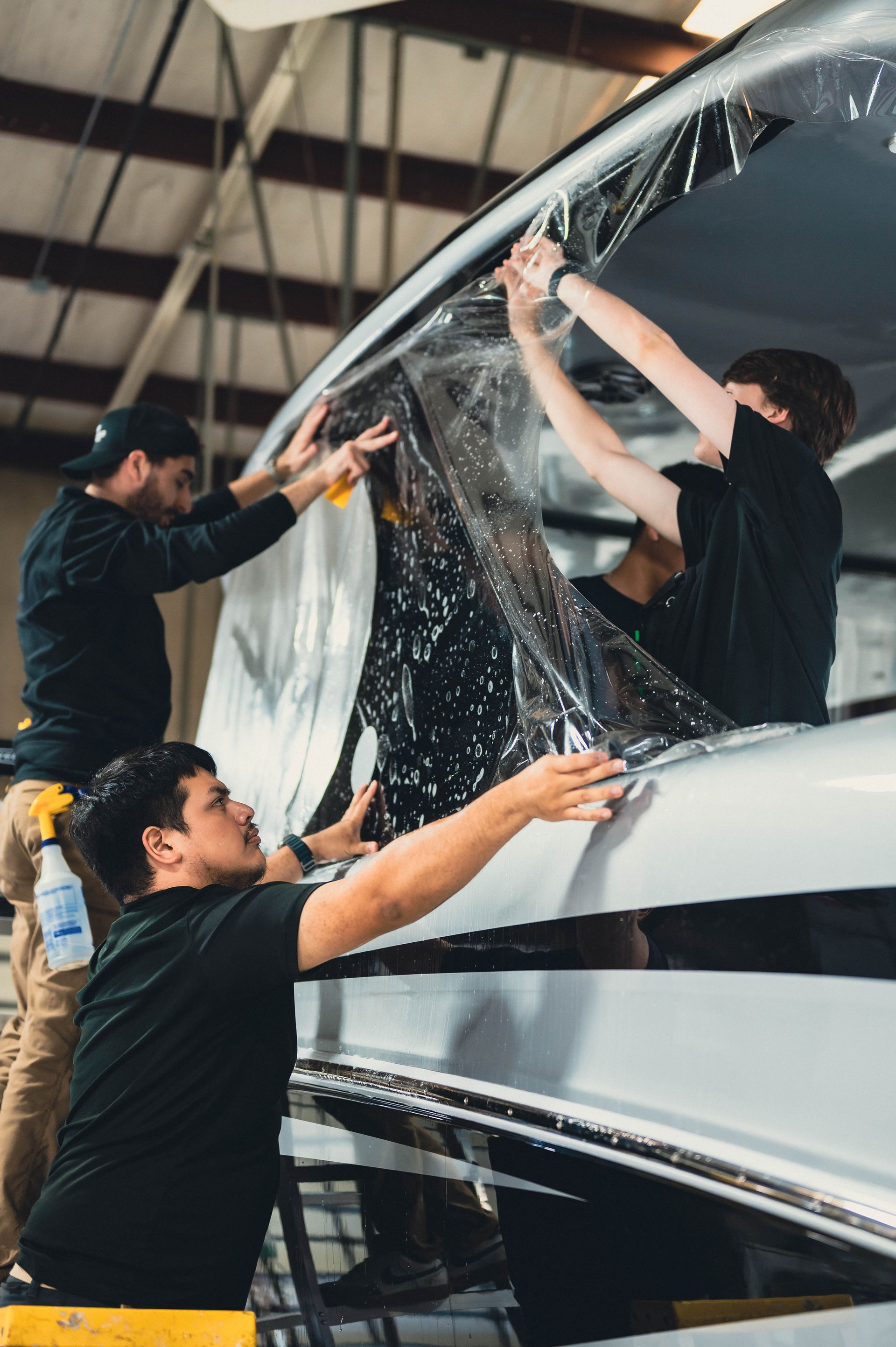
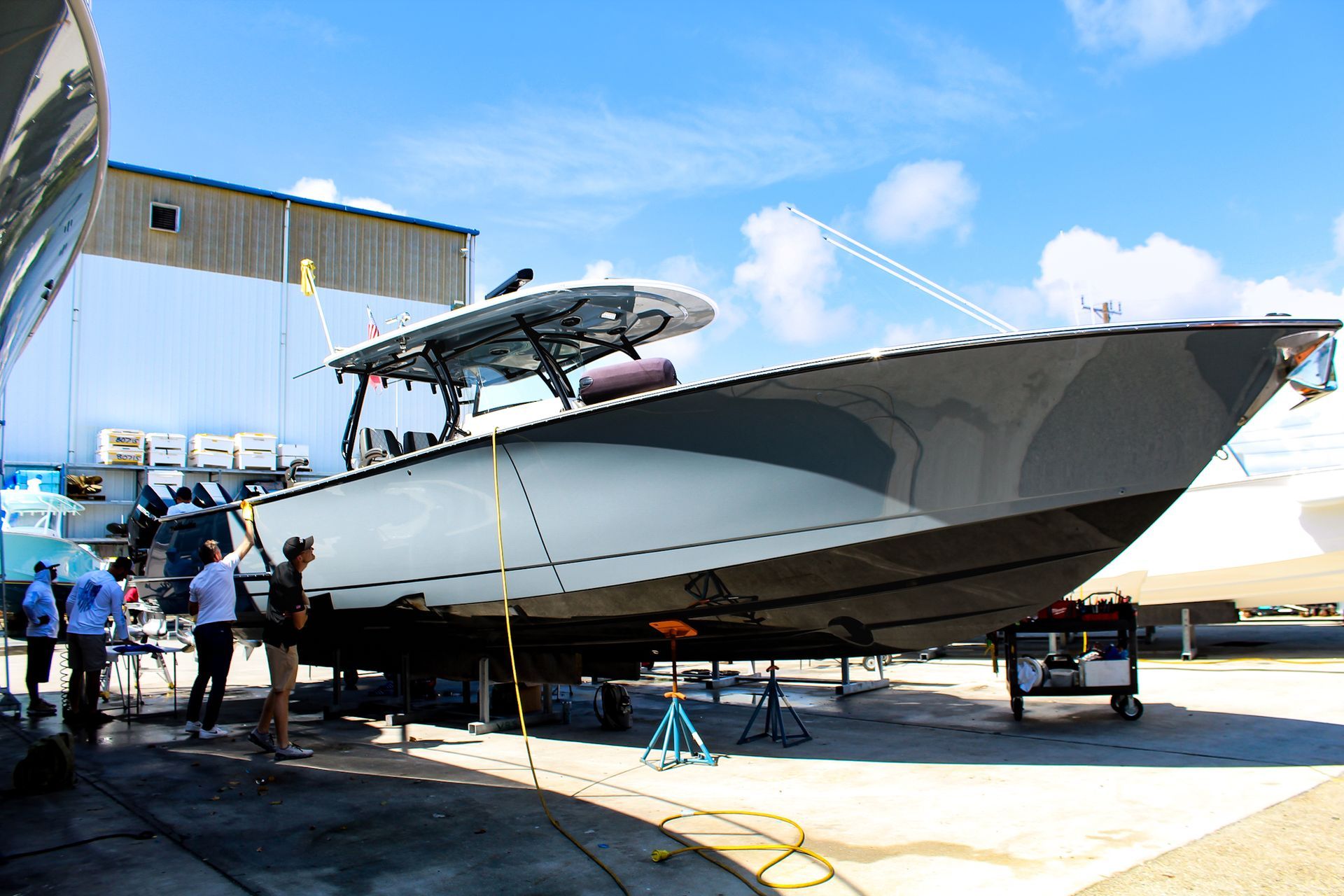
Professional detailing helps remove embedded contaminants that standard washing may leave behind. Protective treatments can be applied to preserve gel coat, painted surfaces, metal components, and other vulnerable areas.
Long term preservation is one of the biggest advantages. Properly protected surfaces are better equipped to withstand environmental exposure, moisture, oxidation, and storage related wear.
Professional preparation also creates an ideal foundation for shrink wrapping or covering. A clean, protected surface is less likely to develop staining, corrosion, or finish degradation while in storage.
For boat owners throughout the Chicago area, NautiShield helps take the guesswork out of seasonal preparation. Professional marine detailing services are designed to protect valuable surfaces before transport and storage, helping owners safeguard their investment and maintain a showroom quality appearance year after year.
Step 2: Remove and Secure Everything That Can Move
Once the boat has been cleaned and prepared, the next step is securing anything that could shift, vibrate, or become damaged during transport.
Remove Valuable Items
Electronics should be removed whenever possible. Navigation equipment, fish finders, displays, and other valuable devices can be vulnerable to vibration, theft, and environmental exposure.
Fishing equipment should also be taken off the boat and stored safely. Rods, reels, tackle, and accessories can easily become damaged if left unsecured.
Safety gear should be inspected and stored properly to ensure it remains in good condition.
Personal belongings should never be left onboard during transport or long term storage. Removing these items reduces clutter and eliminates unnecessary risk.
Secure Fixed Components
- Anything that remains on the boat should be secured carefully.
- Hatches should be checked to ensure they are fully closed and latched.
- Lockers should be secured to prevent accidental opening during transport.
- Doors should be fastened properly to prevent movement caused by road vibrations or wind pressure.
- Windows should be inspected and secured to reduce the risk of damage while the boat is in transit.
Document Your Boat's Condition
Before transport begins, take time to document the boat's current condition.
Create a Pre Transport Photo Record
Photograph the hull, deck, interior, trailer, electronics, and any existing scratches or imperfections. Capture multiple angles and include close up images of areas that may already show signs of wear.
Documentation matters because it creates a clear record of the boat's condition before transport. If questions arise later regarding scratches, dents, or other damage, detailed photographs provide valuable evidence and peace of mind.
Step 3: Protect Your Boat During Transport
A properly secured boat is far less likely to experience damage while traveling.
Inspect Your Trailer and Transport Equipment
- Before departure, inspect the trailer carefully.
- Check tire pressure to ensure safe towing and even weight distribution.
- Inspect wheel bearings for signs of wear or maintenance needs.
- Verify that brakes are functioning properly.
- Confirm that trailer lights are operating correctly and comply with local regulations.
Secure the Boat Properly
- Proper securing techniques are critical to safe transport.
Essential Tie Down Points
- The bow eye should be firmly attached and inspected for wear.
- The winch strap should be tight and in good condition.
- Transom straps should be secured to prevent unwanted movement.
- Safety chains should be attached properly and checked before departure.
Remove or Protect Exterior Accessories
- Certain exterior accessories require additional attention.
- Antennas should be removed or secured.
- Electronic equipment should be protected or stored separately whenever possible.
- Navigation lights should be inspected and secured.
- Canvas components should be removed or fastened securely to prevent wind damage.
Ensure Proper Weight Distribution
Balance plays a major role in safe transport.
A properly balanced boat places weight evenly across the trailer, reducing stress on equipment and improving stability on the road.
Good weight distribution also helps prevent excessive movement, bouncing, and vibration that can damage components during transport. Taking the time to balance the load correctly can significantly reduce the risk of avoidable damage and create a safer towing experience from start to finish.
Step 4: Protect Mechanical and Electrical Systems
While protecting the exterior of your boat is important, safeguarding the systems that keep it running is equally critical. Mechanical and electrical components are especially vulnerable during periods of inactivity, making proper preparation essential before transport or long term storage.
Dry the Bilge and Eliminate Excess Moisture
Moisture is one of the biggest threats to a stored boat. Before transport or storage, inspect the bilge and remove any standing water. Even small amounts of trapped moisture can create an environment where mold, mildew, corrosion, and unpleasant odors thrive.
A dry bilge helps protect electrical systems, reduces the risk of corrosion, and contributes to a healthier storage environment overall. Taking the time to eliminate excess moisture now can prevent significant problems later.
Battery Protection Best Practices
Batteries require special attention before a boat is stored for an extended period.
Disconnecting batteries helps reduce unnecessary power drain and minimizes the risk of electrical issues while the boat sits unused. Depending on the manufacturer's recommendations, batteries may be removed and stored in a safe location where temperatures remain stable.
Battery terminals should also be cleaned and protected against corrosion. Moisture and oxidation can affect connections and reduce battery performance. Applying a suitable protective treatment helps maintain reliability and extend battery life.
Prepare the Fuel System
Fuel that sits for long periods can degrade and create problems throughout the fuel system.
Adding a quality fuel stabilizer helps maintain fuel quality and reduces the likelihood of deposits forming during storage. Stabilizers can also help prevent fuel breakdown that may impact engine performance when the boat returns to service.
Reducing fuel degradation is one of the simplest yet most effective ways to avoid unnecessary maintenance and ensure a smoother start when boating season begins again.
Engine Protection for Long Term Storage
The engine deserves careful preparation before extended storage.
Changing fluids before storage helps remove contaminants that could cause internal wear over time. Fresh oil and other recommended fluids provide better protection during periods of inactivity.
Corrosion prevention is another key consideration. Marine engines are exposed to challenging environments, making protective treatments especially valuable before storage.
For boat owners in colder climates such as the Chicago area, cold weather preparation is essential. Proper winterization helps protect engines and related systems from freezing temperatures that can cause expensive damage if overlooked.
Protect Sensitive Electronics
Modern boats often contain sophisticated electronics that represent a significant investment.
Whenever practical, sensitive electronics should be removed before long term storage. Navigation systems, displays, fish finders, and other valuable components are often better protected when stored indoors in a climate controlled environment.
Removing these items not only reduces the risk of environmental damage but also minimizes concerns related to theft and accidental damage during transport.
Step 5: Choose the Right Boat Cover for Storage
A quality cover serves as the first line of defense against the elements. Choosing the right solution can significantly impact how well your boat weathers the storage season.
Boat Covers vs Shrink Wrap
Both fitted covers and shrink wrap offer advantages, but the right choice depends on your storage situation.
Benefits of Each Option
A fitted boat cover is often ideal for owners who want ongoing access to their vessel during storage. Quality covers can provide excellent protection while allowing ventilation and easy removal when needed.
Shrink wrap offers a tightly sealed barrier against dirt, snow, rain, and environmental contaminants. It is particularly popular for seasonal storage and extended periods of inactivity.
A fitted cover typically works well when the boat will be accessed periodically throughout the storage season. Shrink wrap often makes more sense when maximum protection is desired and access will be limited until launch season returns.
Ensure Proper Ventilation
Protection should never come at the expense of airflow.
Proper ventilation helps prevent trapped moisture from accumulating beneath the cover. Without adequate airflow, condensation can form and create ideal conditions for mold, mildew, and corrosion.
Allowing air to circulate helps maintain a healthier environment and protects both interior and exterior surfaces throughout storage.
Prevent Water Pooling
Even the best cover can become problematic if water is allowed to collect on top.
Support systems help maintain the shape of the cover and encourage water runoff. Without proper support, standing water can stretch materials, damage covers, and increase the risk of moisture intrusion.
Cover framing techniques create a higher center point that allows rain and snow to shed naturally rather than accumulating on the surface.
Protect Vulnerable Surfaces
Certain areas of the boat may benefit from additional protection before storage.
Stainless steel components can be treated to help resist corrosion and maintain their appearance.
Teak surfaces should be cleaned and protected to prevent weather related deterioration.
Painted finishes benefit from protective treatments that help shield against environmental exposure.
Gel coat surfaces can be preserved with professional polishing and protection products that reduce oxidation and help maintain long lasting shine.
Step 6: Select the Best Storage Environment
Where you store your boat can have a significant impact on its condition when the season returns.
Indoor Storage Benefits
Indoor storage offers the highest level of protection from weather, ultraviolet exposure, moisture, and environmental contaminants.
Because the boat remains sheltered from the elements, indoor facilities often provide the best conditions for preserving both cosmetic and mechanical components.
Covered Outdoor Storage
Covered outdoor storage provides a middle ground between indoor and fully exposed storage.
A covered structure can reduce exposure to direct sunlight, precipitation, and debris while offering a more affordable alternative to indoor facilities.
Outdoor Storage Considerations
Outdoor storage can be effective when proper precautions are taken, but location matters.
Areas to Avoid
Avoid storing a boat beneath trees whenever possible. Falling branches, sap, leaves, and bird droppings can damage surfaces and create additional maintenance challenges.
Flood prone locations should also be avoided. Water intrusion can create extensive damage and significantly increase repair costs.
High wind exposure areas can place unnecessary stress on covers, shrink wrap, and exposed components. Selecting a more sheltered location can help reduce these risks.
Security Considerations
Protecting your boat from environmental threats is important, but physical security matters as well.
Theft prevention measures may include locks, secured gates, and restricted facility access.
Restricted access helps reduce unauthorized activity and adds another layer of protection for valuable equipment and accessories.
Many owners also prefer facilities that offer surveillance systems to monitor activity and enhance overall security.
Step 7: Monitor Your Boat During Storage
Storage should never be viewed as a set it and forget it process.
Perform Routine Inspections
Regular inspections allow you to identify potential issues before they become serious problems.
Even a well prepared boat benefits from periodic checks throughout the storage season.
What to Check Regularly
- Inspect covers and shrink wrap for signs of wear, damage, or loosening.
- Look for moisture buildup inside the boat or beneath protective coverings.
- Check for leaks that could allow water intrusion.
- Watch for evidence of pests that may seek shelter inside compartments during storage.
Catch Problems Before They Become Expensive Repairs
Small issues rarely stay small when ignored. A minor leak, loose cover, or small moisture problem can quickly develop into mold, corrosion, staining, or structural concerns.
Routine inspections provide peace of mind and help ensure your boat remains in excellent condition until it is time to return to the water.
Boat Transport and Storage Protection Checklist
Before Transport
- Clean and dry the boat thoroughly.
- Remove valuables, electronics, and loose gear.
- Photograph the boat's condition from multiple angles.
- Secure hatches, lockers, windows, and doors.
- Tighten straps, chains, and trailer connections.
Before Storage
- Disconnect the battery and protect terminals.
- Stabilize fuel and prepare the fuel system.
- Winterize systems if required for your climate.
- Install a properly fitted cover or shrink wrap.
During Storage
- Inspect the boat periodically.
- Check for moisture accumulation.
- Verify cover integrity and proper ventilation.
- Monitor trailer condition and tire pressure.
When Professional Boat Detailing Is Worth Considering
Preparing Your Boat for Storage the Right Way
A thorough cleaning is an excellent start, but professional detailing offers a higher level of protection designed specifically for long term preservation.
Professional cleaning removes contaminants that may not be visible to the naked eye. Protective treatments help preserve paint, gel coat, metal surfaces, and other vulnerable areas that face months of environmental exposure.
The result is reduced oxidation, better surface preservation, and a cleaner, better protected boat when storage season ends.
How NautiShield Helps Chicago Boat Owners Protect Their Investment
For boat owners throughout Chicago and the surrounding region, NautiShield provides specialized marine detailing services focused on preservation and long term protection.
Marine detailing expertise allows surfaces to be properly cleaned, corrected, and protected before storage begins.
Pre storage preparation services help owners address contamination, oxidation, and vulnerable surfaces before they become larger issues.
Protective treatments are designed to preserve gel coat, painted finishes, metal components, and other valuable surfaces during periods of inactivity.
Whether preparing for seasonal storage or transport across the region, NautiShield helps boat owners protect their investment and maintain a higher standard of care year round.
Final Thoughts
Protecting Your Boat Starts Before It Leaves the Water
Protecting a boat during transport and storage is not about a single product or one quick task. It is about following a complete process that addresses cleanliness, security, mechanical systems, environmental exposure, and ongoing monitoring.
Cleaning and drying the boat, securing loose items, protecting critical systems, choosing the right cover, selecting an appropriate storage environment, and performing routine inspections all contribute to long term preservation.
The more proactive you are before transport or storage begins, the less likely you are to face expensive surprises later. A little preparation today can save significant time, money, and frustration in the future.
For owners who want added confidence that every detail has been addressed, professional marine detailing and protection services can provide valuable support before transport or seasonal storage. Investing in proper preparation today helps ensure your boat is ready for the adventures that await tomorrow.
Share with your friends

The Marine Protection Experts
Founded with an unquenchable desire for marine perfection, Nautishield is a leader in protection efforts services in the Great Lakes area. When you protect your vessel with Nautishield, you are sure to experience unmatched integrity, customer service excellence, and above all, absolute marine perfection from the inside out. Choose the right marine preotection team - choose Nautishield!
Additional Service Areas
Chicago, IL Glenview, IL Winnetka, IL Lake Forest, IL Chain O' Lakes, IL Waukegan, IL Winthrop Harbor, IL
Lake Geneva, WI Lauderdale Lakes, WI Kenosha, WI Racine, WI
New Buffalo, MI Holland, MI Saugatuck, MI
Michigan City, IN
Naples, FL
NAUTISHIELD MARINE PROTECTION